Submitted as academic work to JOU 4305 Gender, Race, and Media under the instruction of Dr. Mia Moody-Ramirez in Spring 2022 at Baylor University.


Blog Post: Memes on Stereotypical Portrayals of Race and Gender in Media
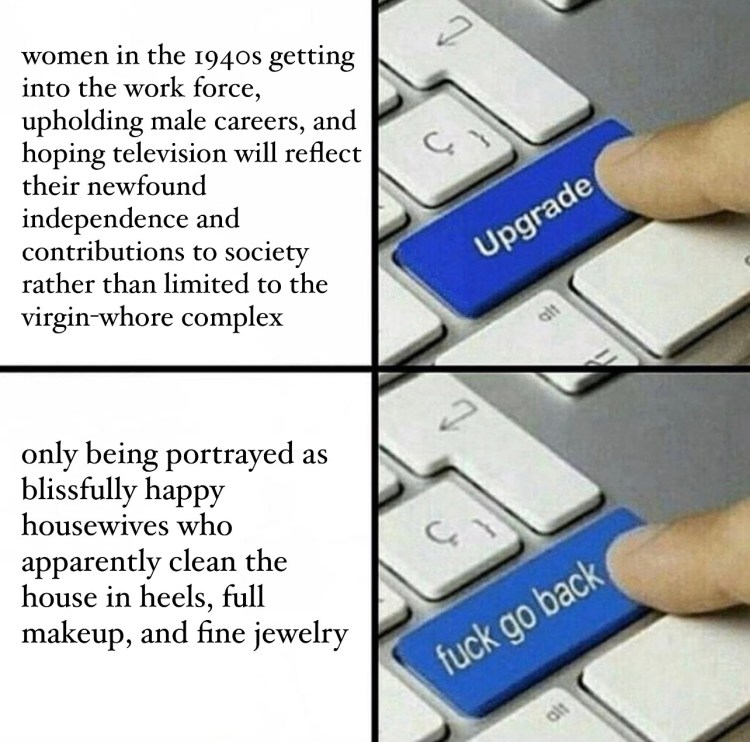
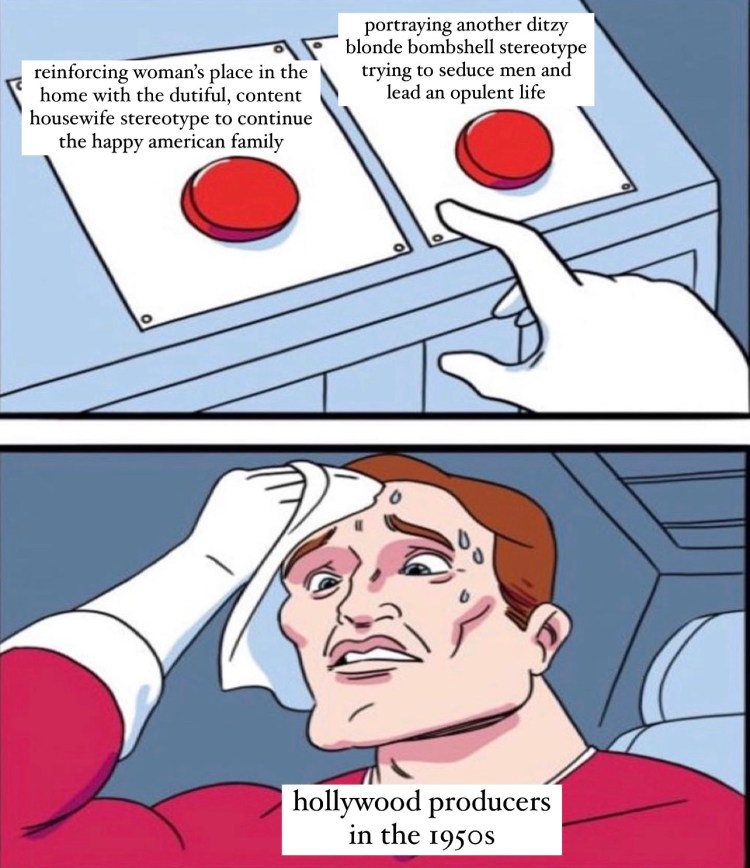
The memes I chose to create focused on how women have been represented in the media over time. During World War II, many American women had to enter the workforce as the war had pulled so many adult men out of civilian life. As men were not available for the work, nor were the primary audience in America during the war, there were films created by women that did not fit the usual Victorian mold of a pristine woman, and were outside the virgin-whore complex. The virgin- whore complex is a dualism that identifies women as either entirely prude and/or virtuous as a virgin or sexually promiscuous as a whore. After the war ended, women may have hoped these trends continue, but instead, the 1950s saw a new domestic portrayal.
In the 1950s, there were two main stereotypes for (white) women in movies and television shows, the happy domestic housewife or the blonde bimbo. The stereotypes forced onto women in media were exclusively for male pleasure and created from the male gaze, or the overall perception of issues from a gendered position that generally objectifies women. Hollywood films and shows were predominately produced by men, and the characterization for all, if any, women characters if left up to these powerful men’s perception of what women should be. From Lucille Ball to Marilyn Monroe, the housewife-bimbo dichotomy permeated Hollywood film for ages.
The 1960s did not make major strides in terms of women’s representation in the media, and especially not in racial stereotypes in media. In Audrey Hepburn’s star role as Holly Golightly in Breakfast at Tiffany’s, Mickey Rooney portrays Holly’s upstairs neighbor, Mr. Yunioshi in yellow-face. The film passes what is known as the Bechdel Test, which requires that a plot have two named women characters who have a conversation about something other than a man. As simple as these criteria may seem, there is a surprising number of films and shows that do not pass. Breakfast at Tiffany’s does pass this feminist criterion and is a cult classic for white feminists who love Hepburn and her character and choose to ignore the blatant racism.
Finally, a meme created in light of the unauthorized and published US Supreme Court majority opinion to overturn Roe vs. Wade and Planned Parenthood v. Casey. In 2016 I was still 17 and could not vote for Hillary Clinton, and Donald Trump scared me. He scared me as a woman, a queer person, as a person with friends from ethnic-, racial-, and religious-minority backgrounds. When he won, my parents had to talk me out of panic attacks and I recognized my privilege as a white woman who is a citizen of the United States; I felt Trump could not directly affect me. This did not mean I didn’t actively speak out against him; quite the contrary. Regardless of how Clinton would have been as a president, I know this would not be happening if she was elected over Trump. Maybe that means Trump would have won the 2020 election, and we would be dealing with it later in the future… however the cookie might have crumbled, there is a lack of urgency among voters that take cases as fundamental and necessary as Roe and Casey for granted.
Blog Post: Memes that Illustrate Stereotypes and Microaggressions
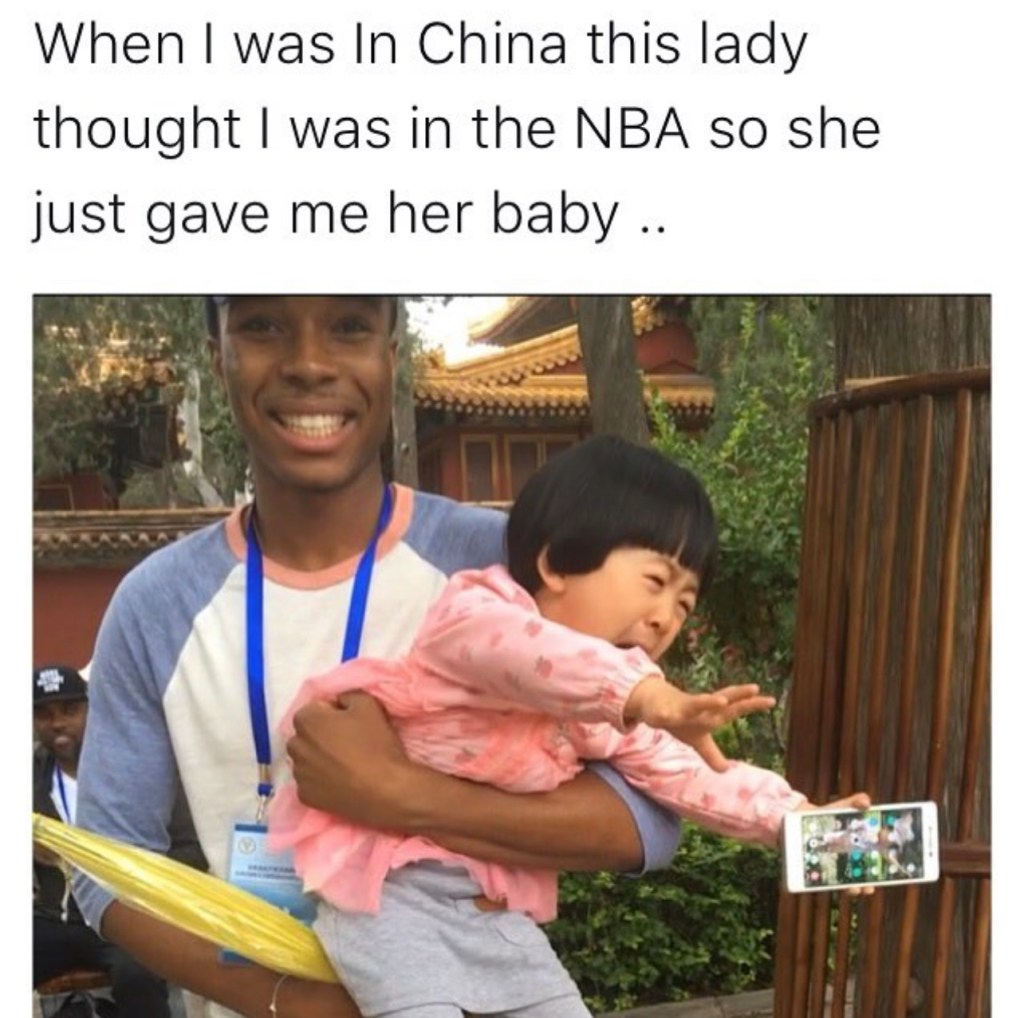
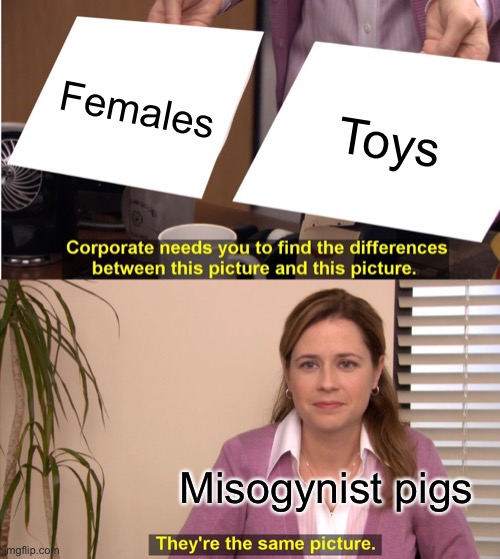
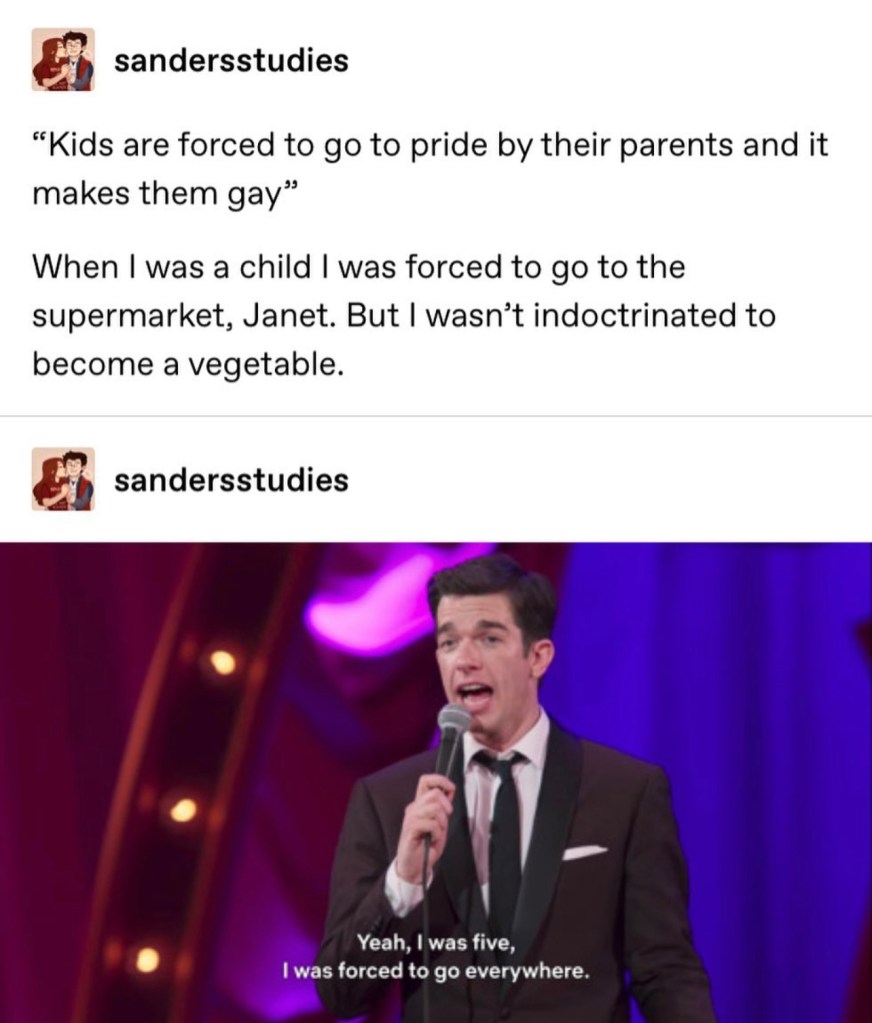
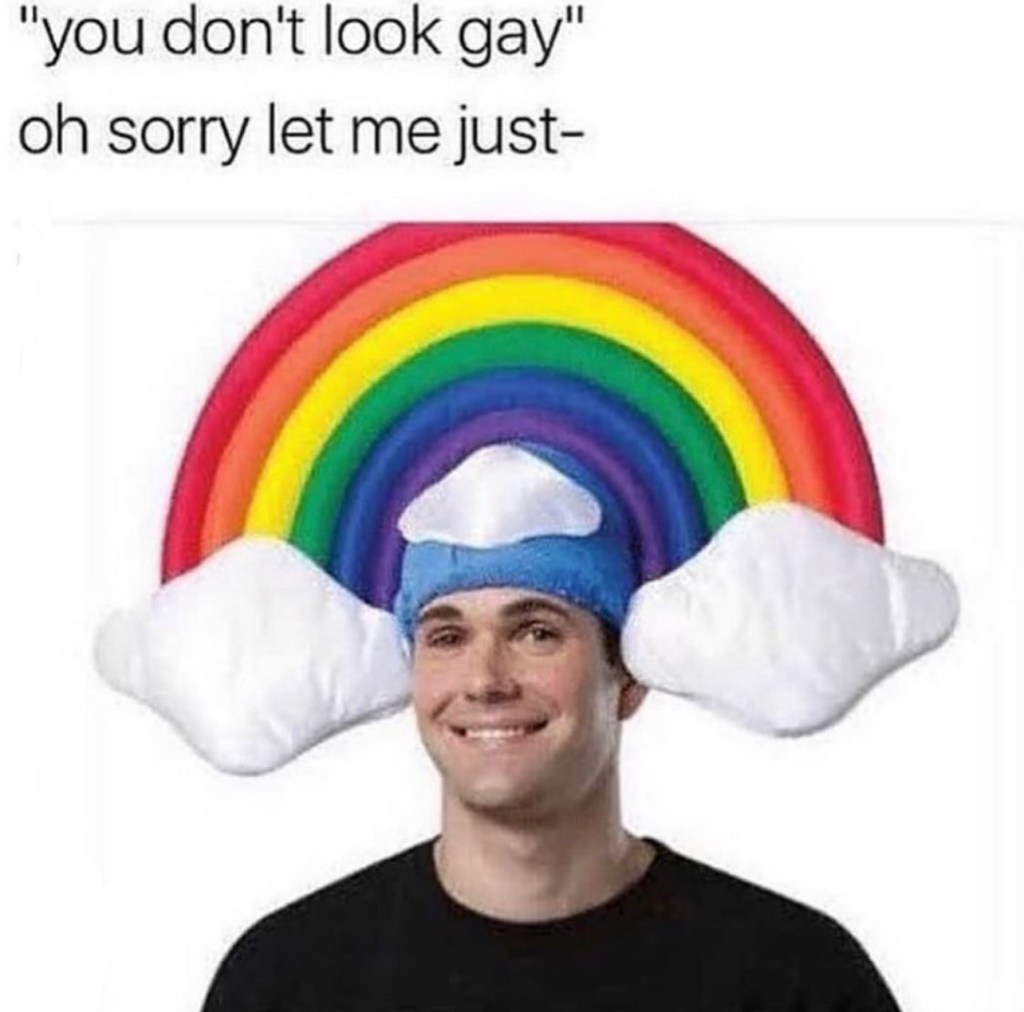
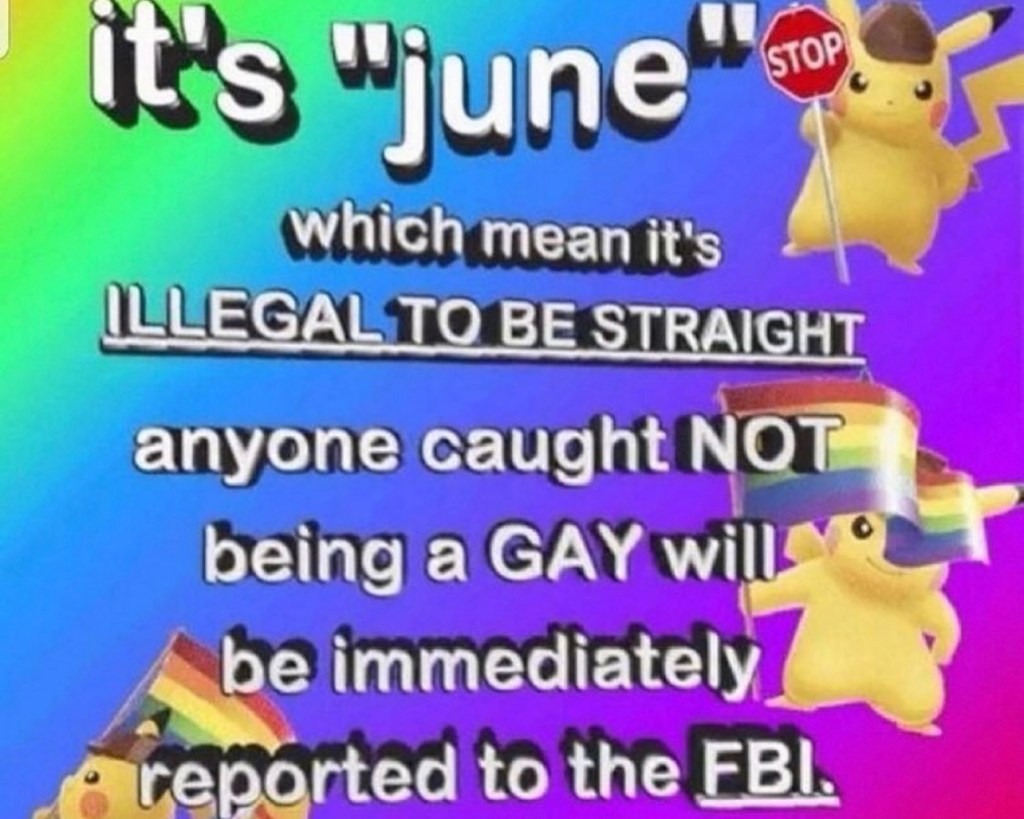
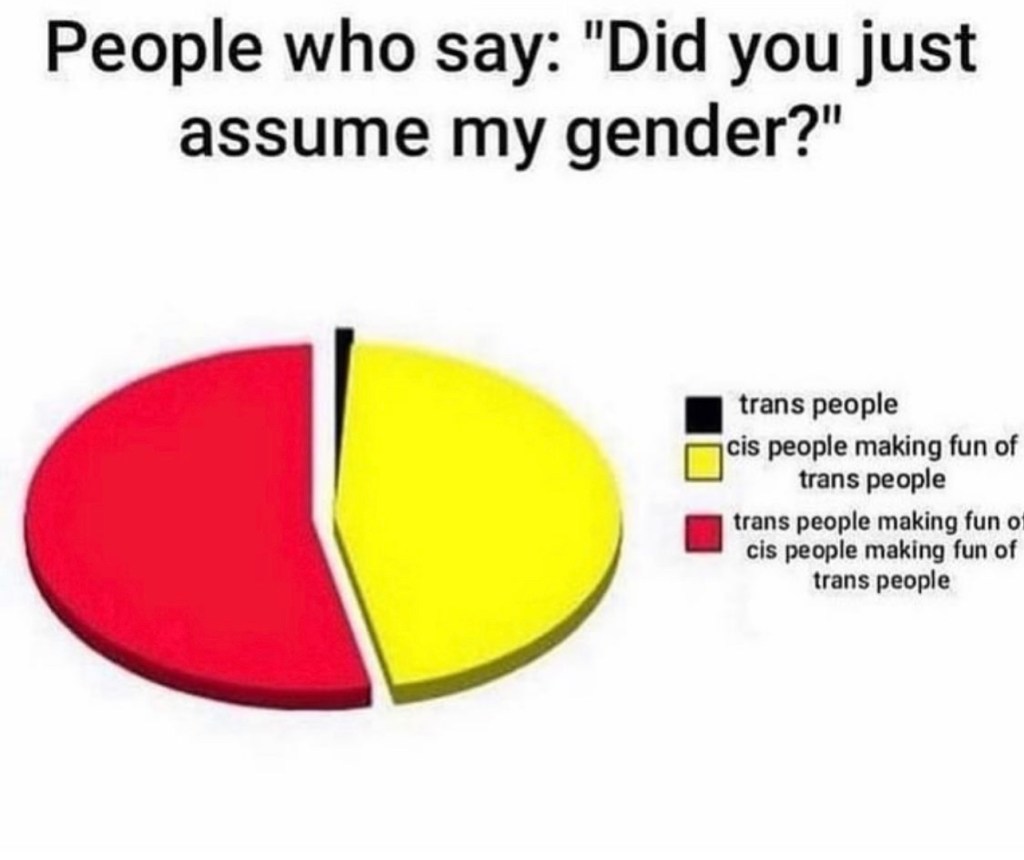
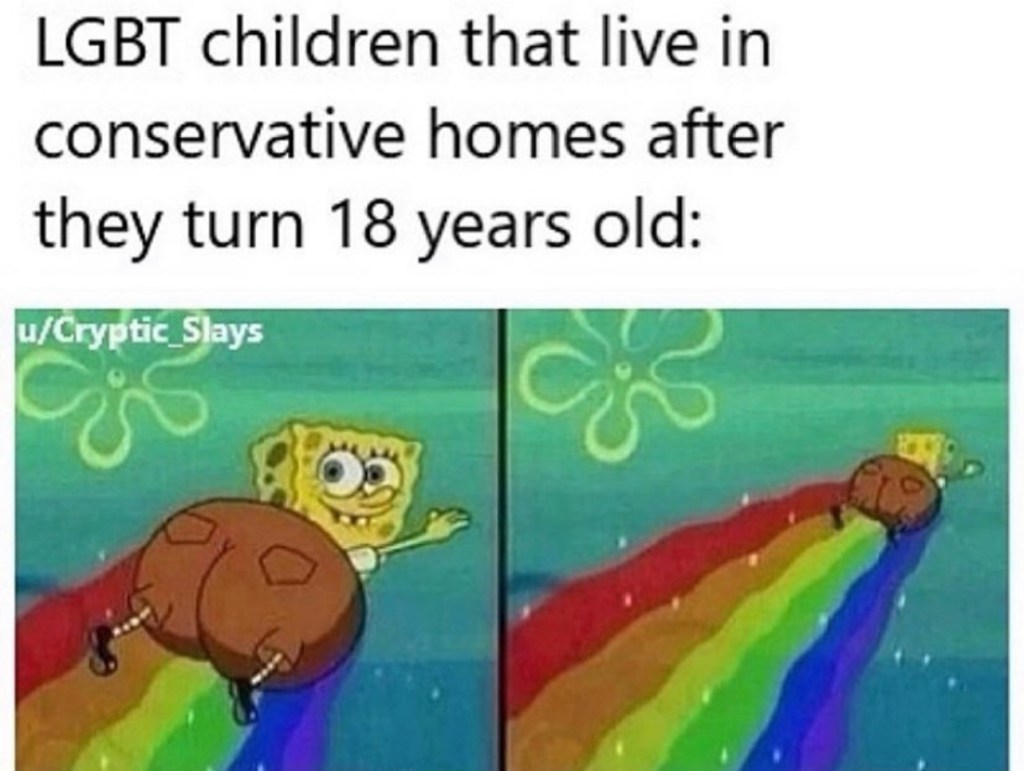
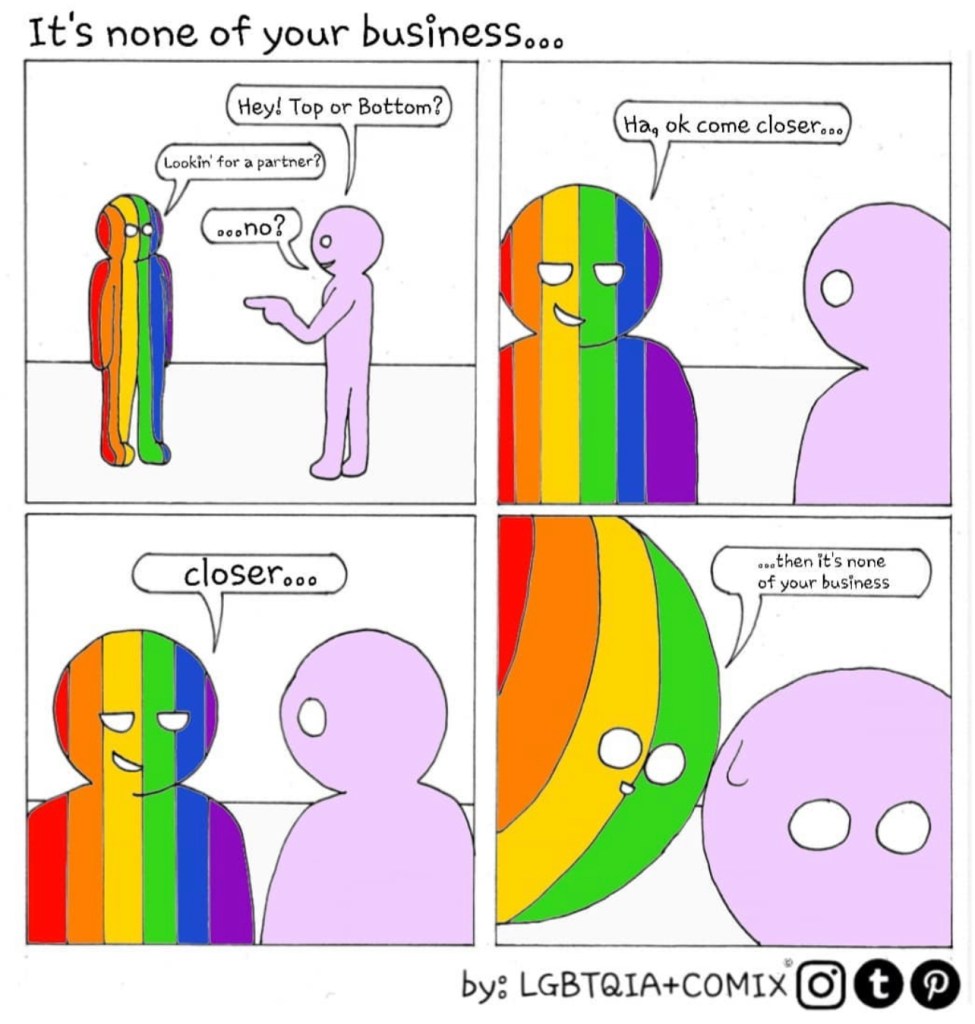
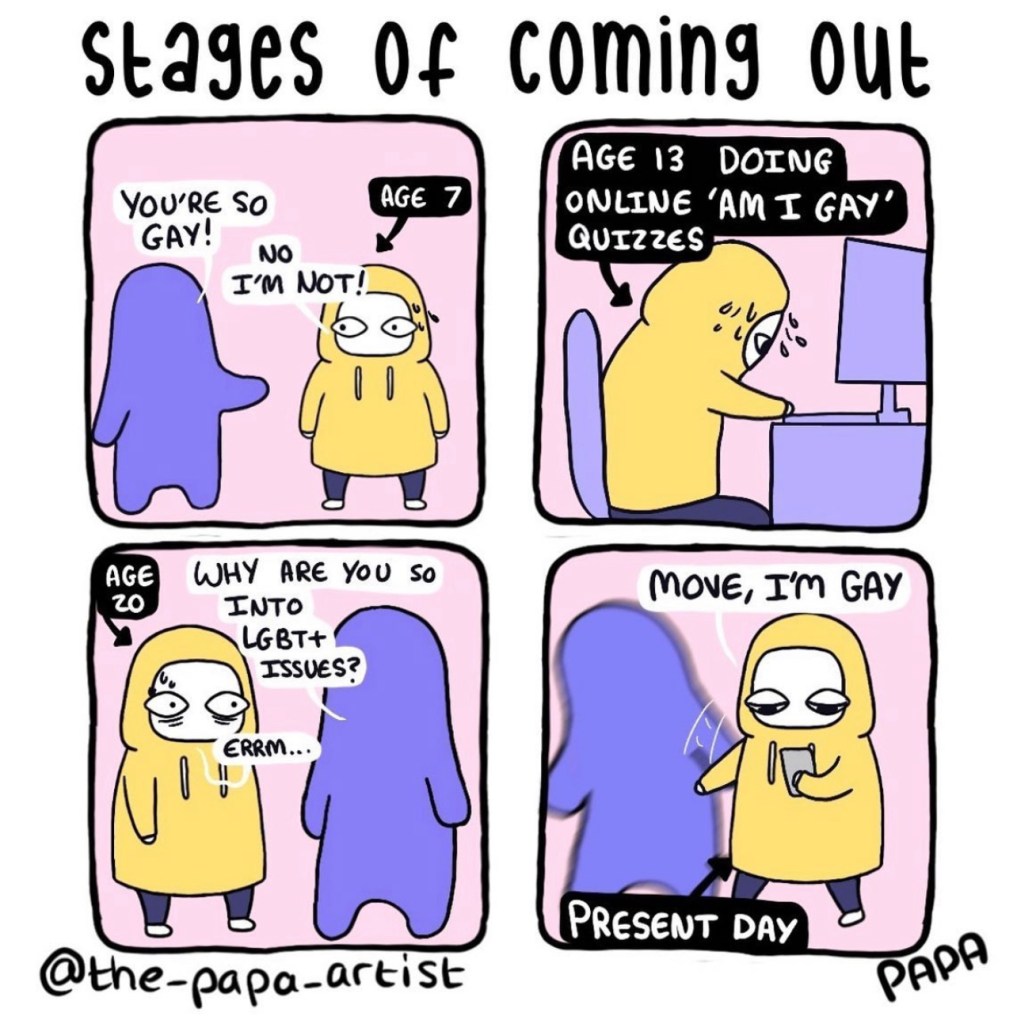
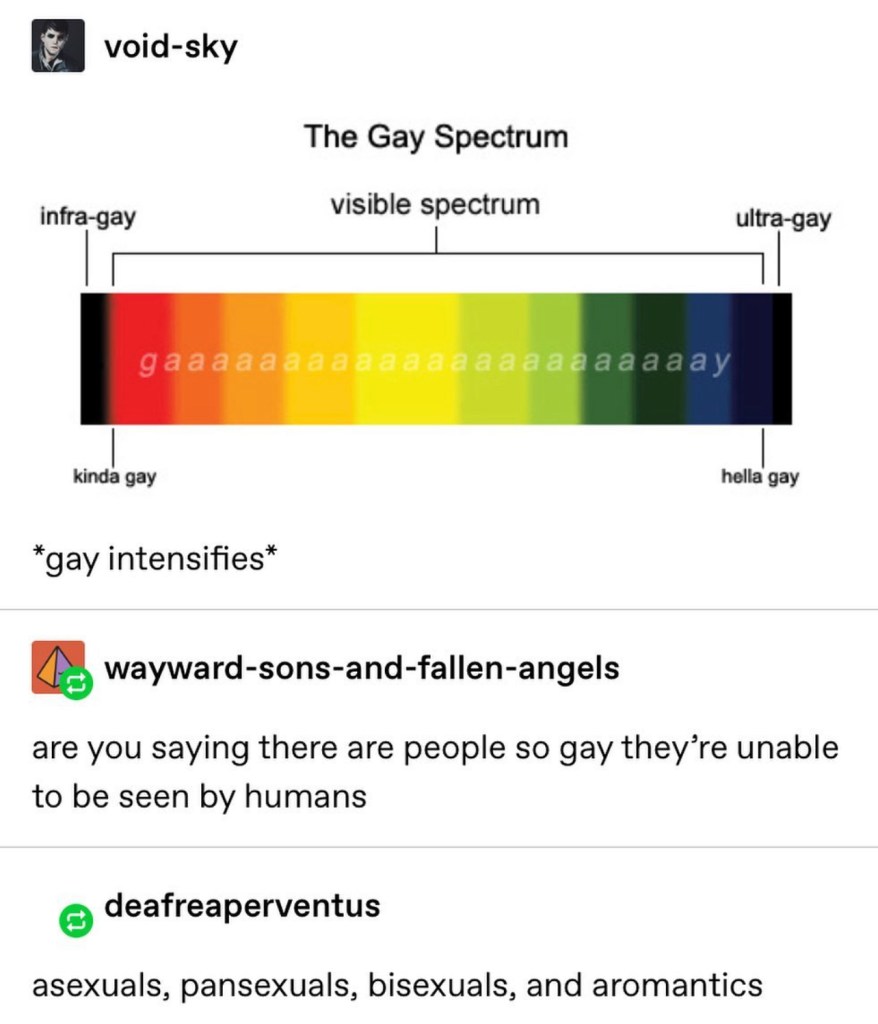
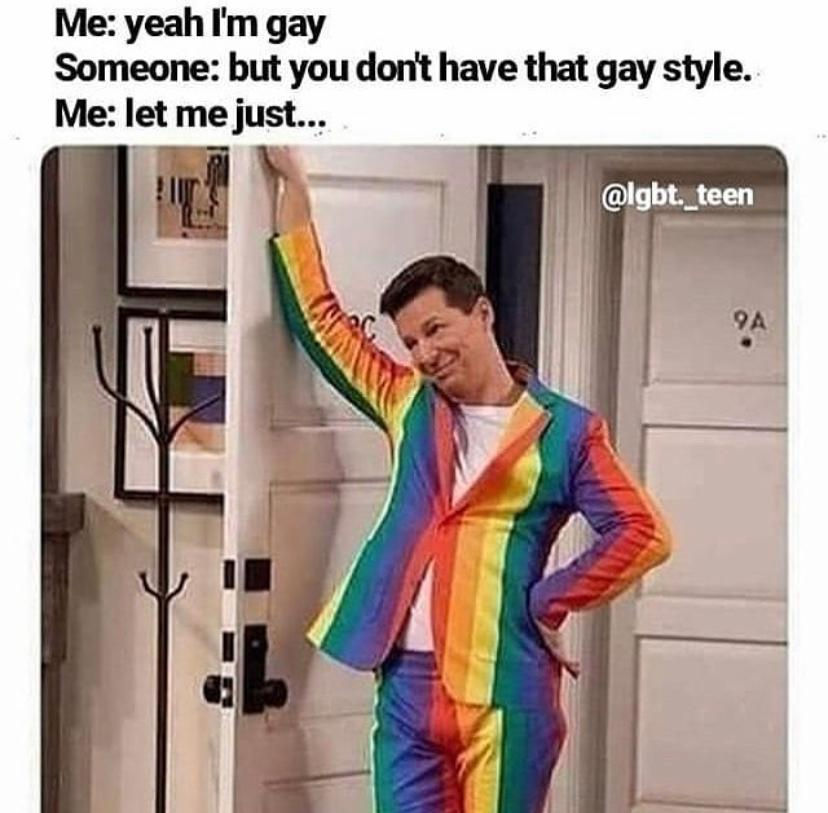
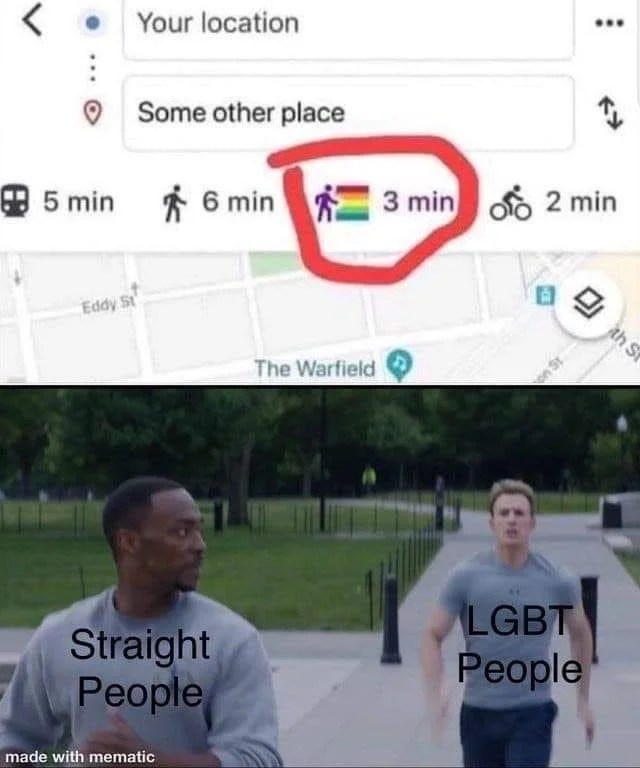
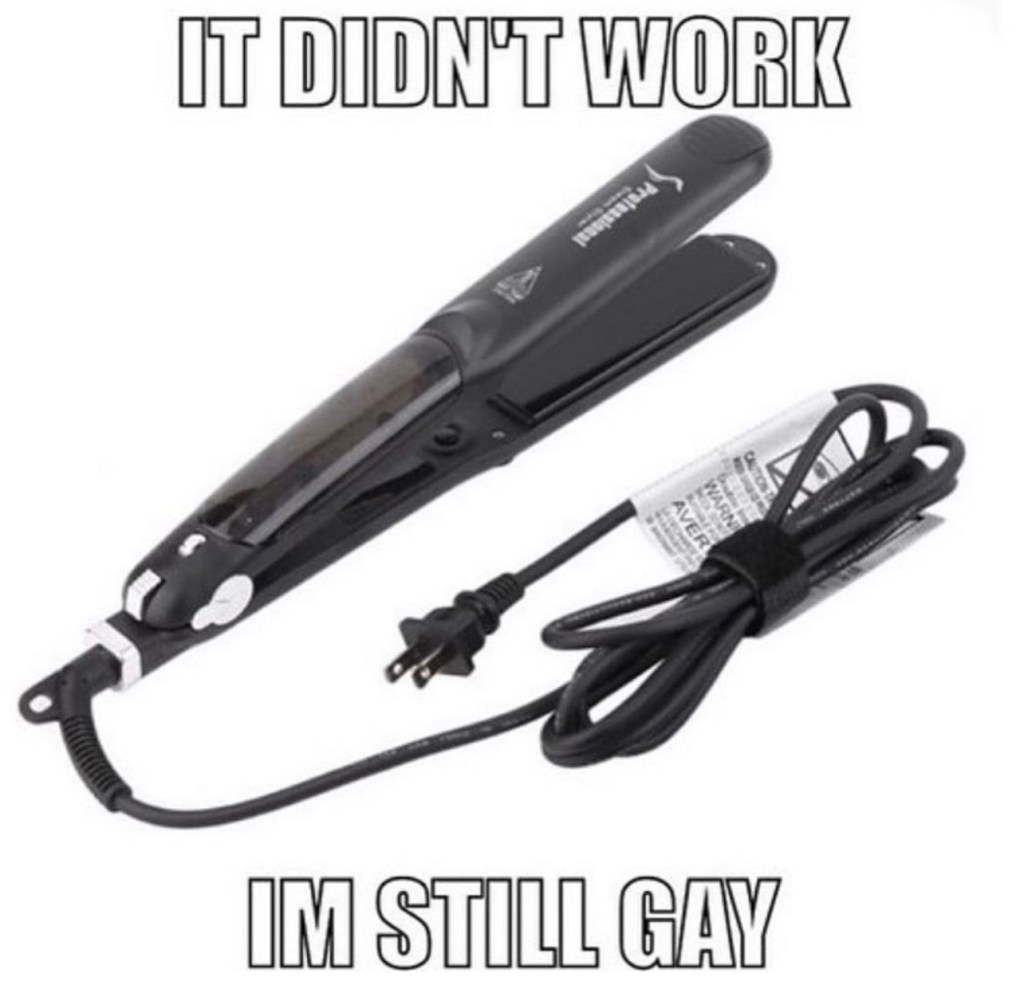
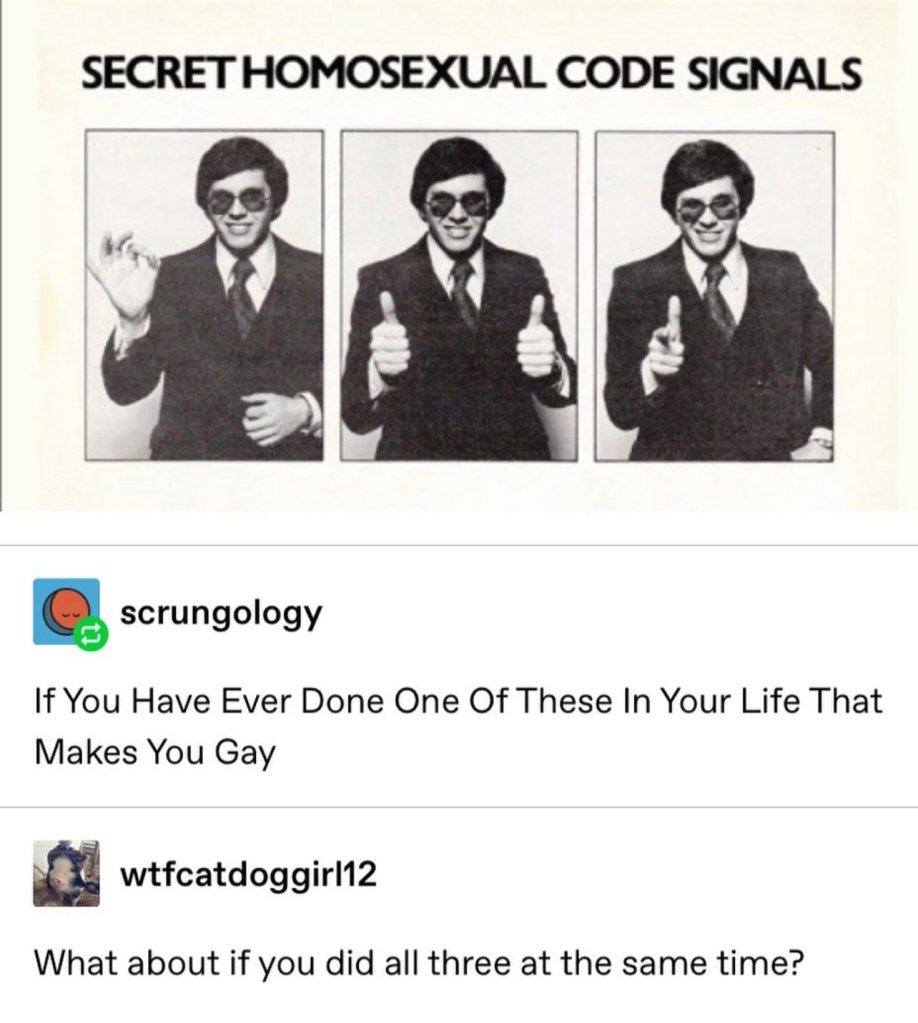
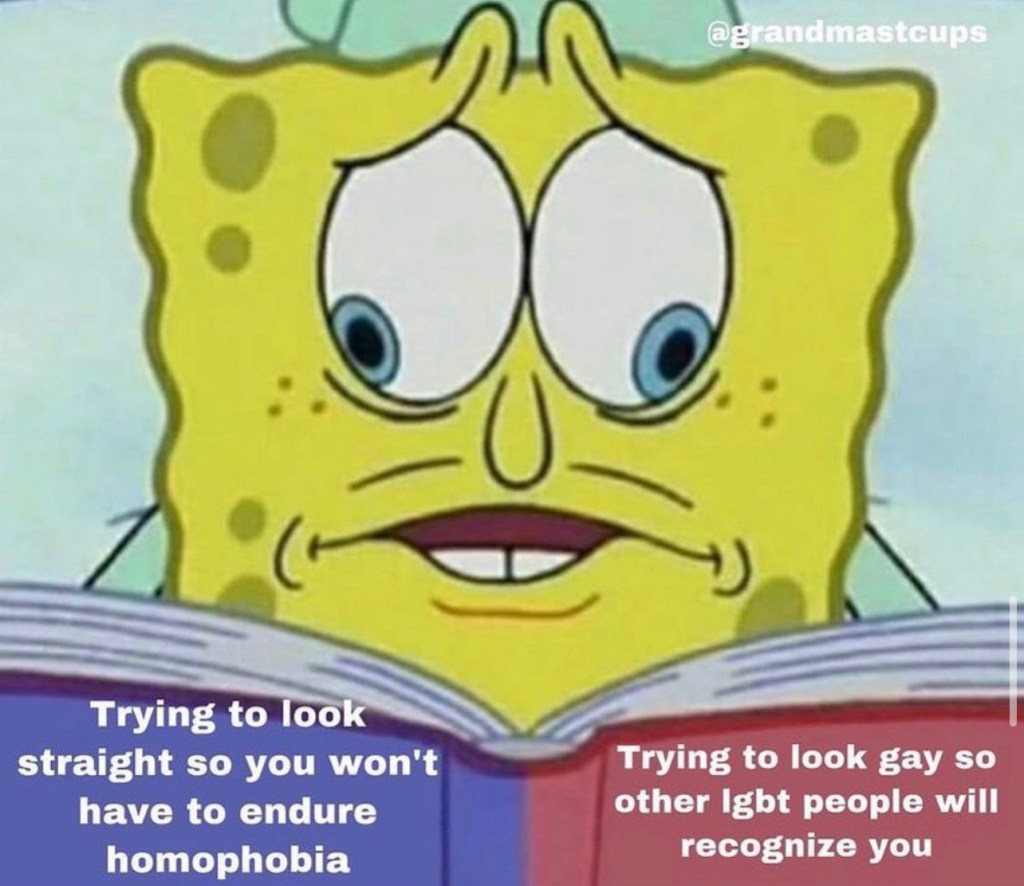
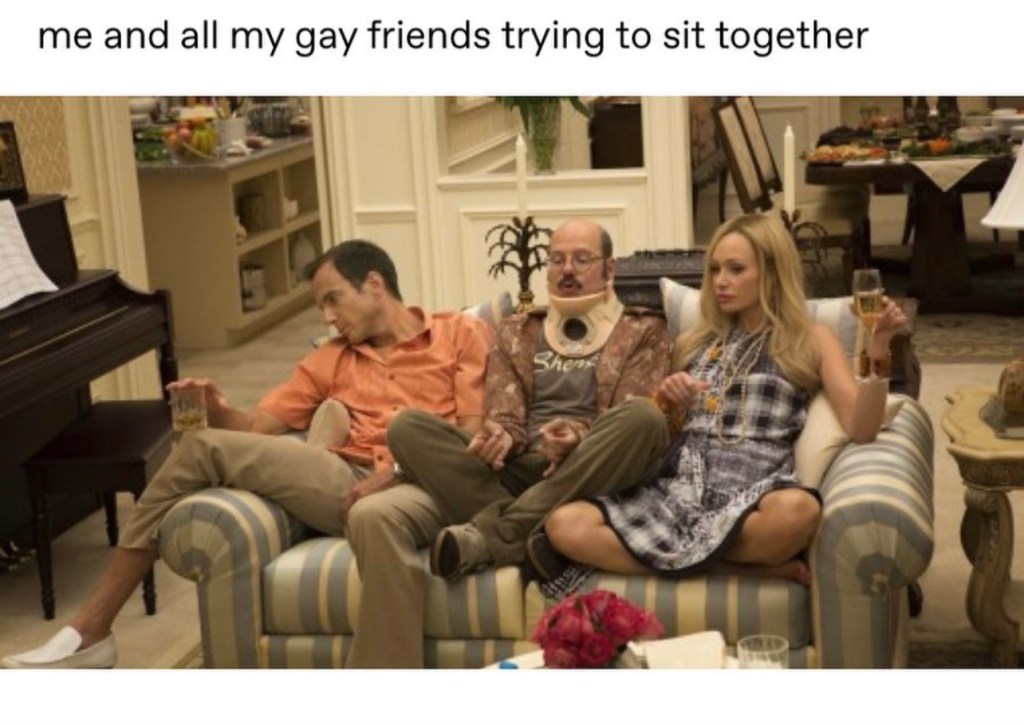
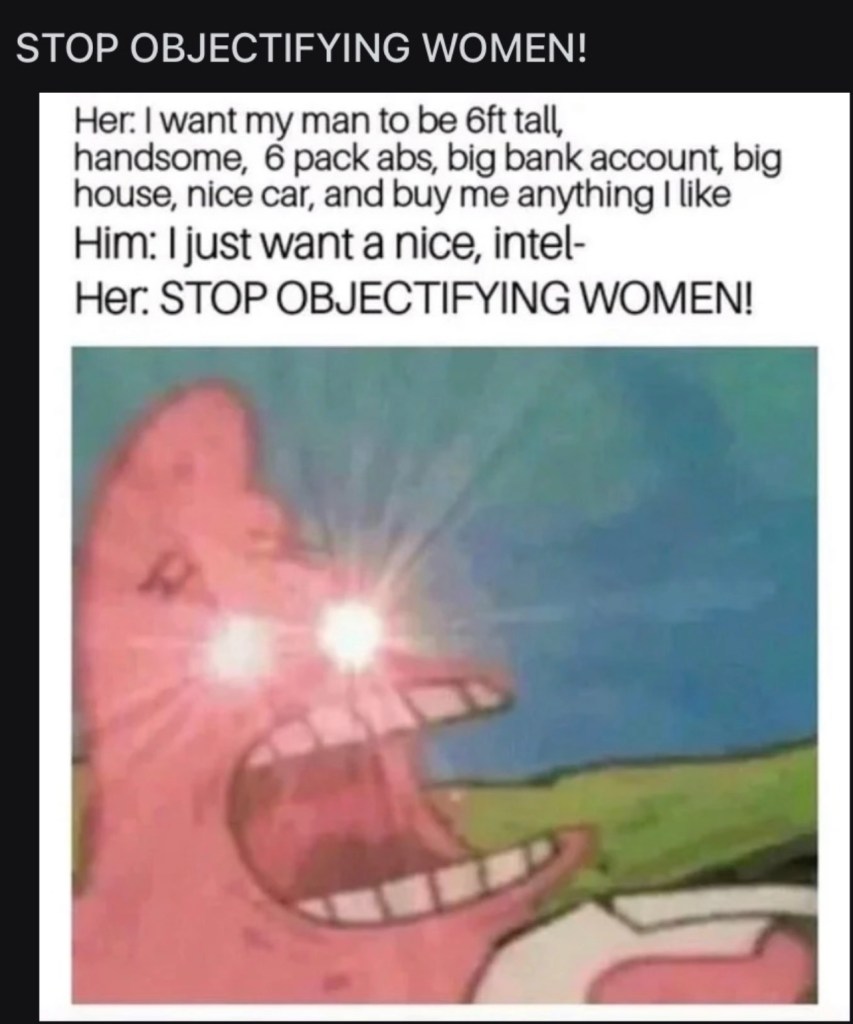
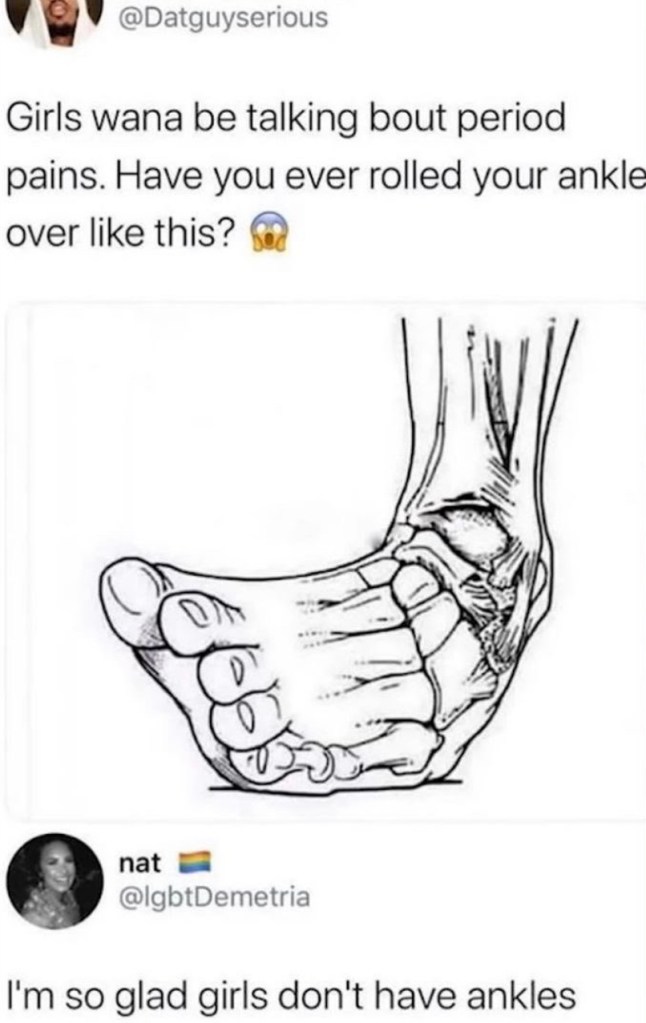
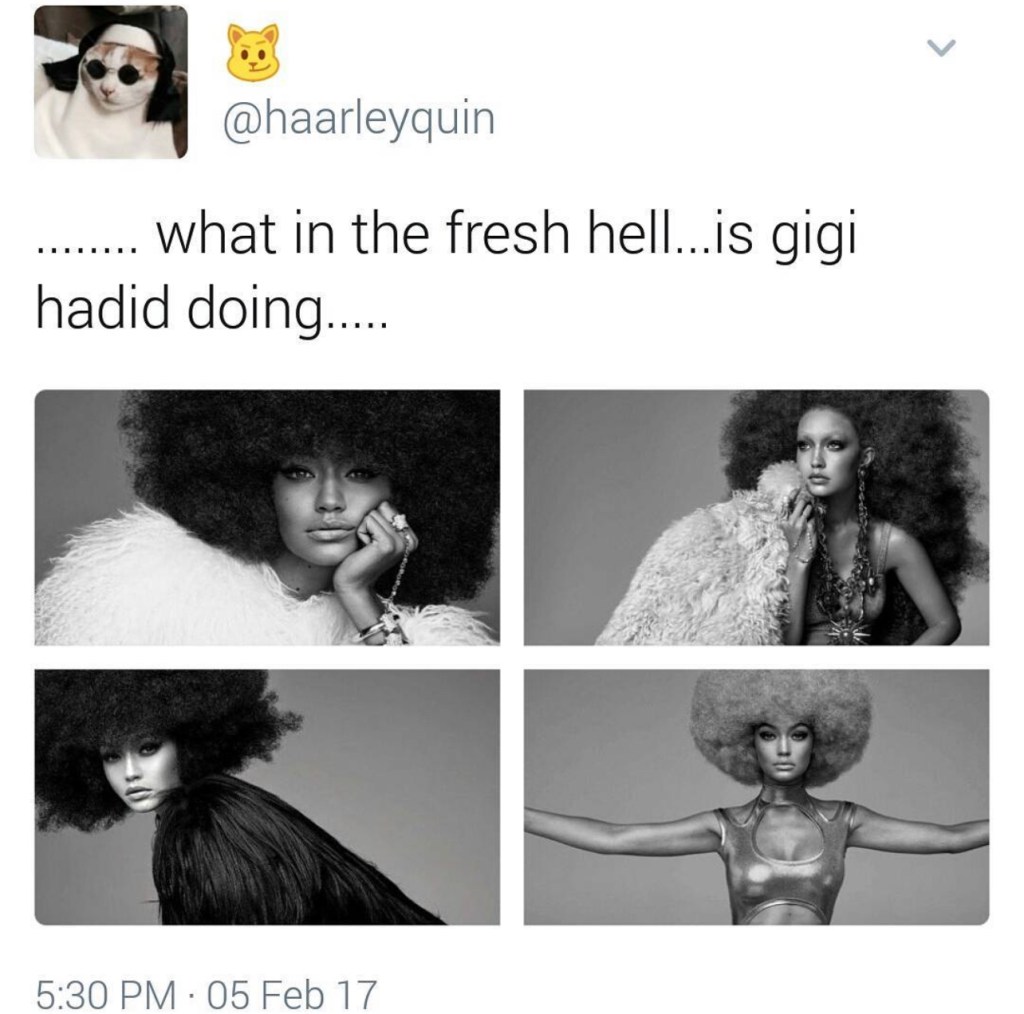
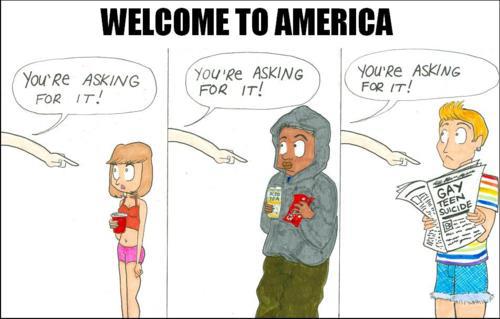
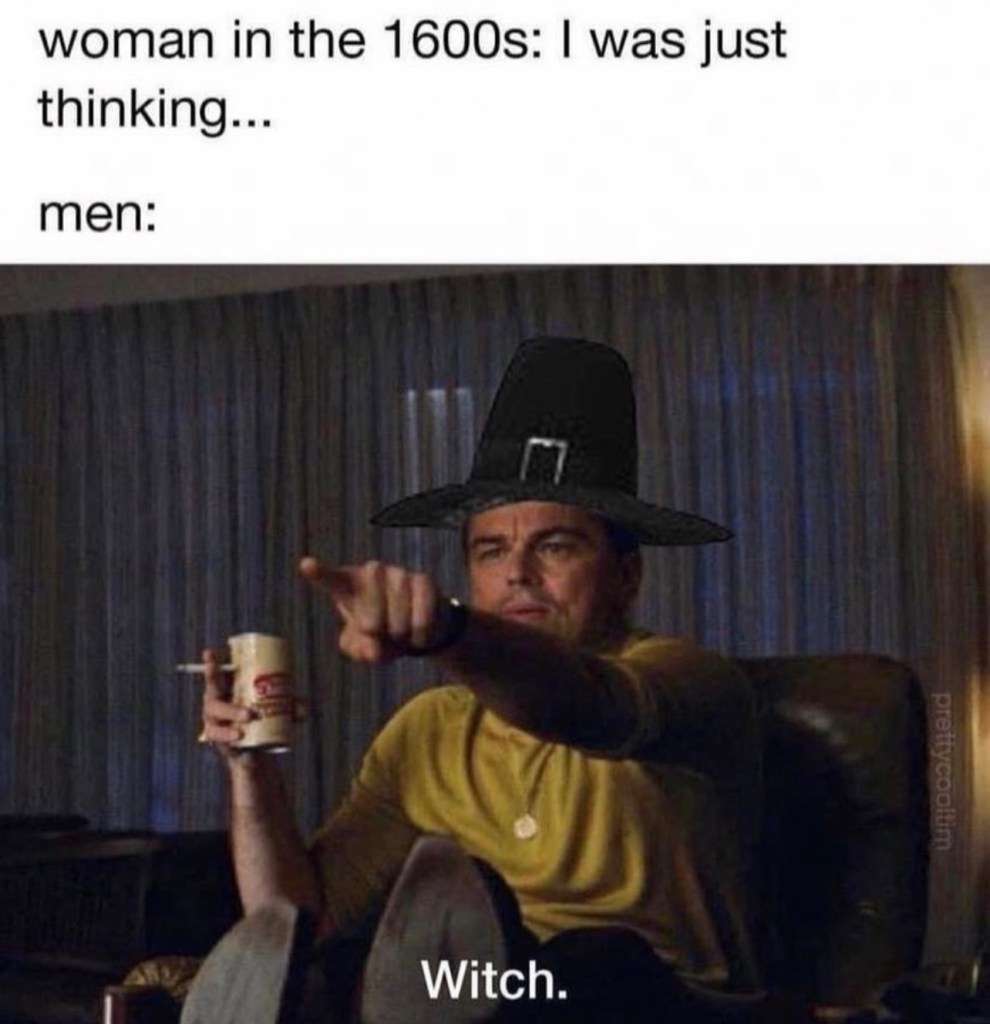
The following memes were collected from Instagram, Twitter, and Tumblr and depict a wide variety of examples of microaggressions, stereotypes, or how these situations play out in the real world. These memes were created for a more progressive audience, from those who are sensitive to issues involving BIPOC, fat/plus-size people, LGBTQ+ people, and sexism against women. Some are not the stereotypical “memes” but as the Internet changes and evolves, viral moments on social media platforms can be screen-captured and shared across platforms and become their own meme, even though it was a social media post originally. The humor ranges from irony to direct clap backs and takes stereotypical opinions to their ironic, and extreme end.










Blog Post: Movie 13th, a Netflix Original
The first time I viewed the movie 13th I was still in high school, and I had been significantly impacted by the recent Black Lives Matter movement. Feeling a need to educate myself on the history of police brutality and mass incarceration in 2016, watching this film opened a floodgate. Since then, I have read many books and watched countless documentaries and movies on the subject and others related to the issue of systemic racism. Coming back to this film from the standpoint of understanding journalism, the effect of media on public perception, and the education I have gained, I have found new things which have stuck out to me.

Early in the film, Birth of a Nation is featured as a catalyst for the stereotype of the “criminal, racist, dangerous Black man” which would be reinforced by media and political systems. Birth of a Nation reignited KKK activity across the country as the film depicted the klan from a heroic lens. One man interviewed said the director added the burning cross as a cinematic enhancement, the KKK never burned crosses before this film, they have ever since. As part of popular culture, popular television shows like Cops continuously showed black men as violent, reoccurring criminals. This over-representation in news and media of black men as criminals is more than they statistically are criminals. Furthermore, the rhetorical effectiveness of “super predators” by politicians, including Hillary Clinton who described them as people with “no conscience, no empathy” allowed the public to emotionally distance themselves from the human being incarcerated. The media has deliberately educated the public over years and years that black men, black people, are criminals; black people also believe this and are terrified of themselves. For example, Willie Horton “fit the bill” of being the black male rapist archetype that hits a primitive fear of white people. The political utility of the image of the black male criminal parallels the cinematic utility of the same image in Birth of a Nation. During the Civil Rights Movement, black leaders were targeted as criminals by all institutions. The Black leaders featured in this film from Fred Hampton, Assata Shakur, and Angela Davis, and how they were represented by both the news media and the FBI. The entire system of the state was set up against Black social leaders. When Angela Davis gets passionate about the “violence” of the Black Panther party or other radical progressive leaders and movements, she explains how it completely dismisses how Black Americans have been the targets and victims of violence in America for generations.
The Stand Your Ground law which acquitted George Zimmerman, the man who executed Trayvon Martin, reminds me of the Gay Panic Defense. This law is in place in many states that allows citizens to murder members of the LGBTQ+ community if they feel their sexuality is threatened. It has been used as a defense by countless assailants to defend their violent and fatal actions against gay men, trans women, and other queer people. These real legal discrepancies allow for unequal treatment before the law.
The use of the photos of Emmett Till after his lynching in black publications, the videos of the Civil Rights Movements with police unleashing dogs on children, and today with videos of police executions of unarmed Black Americans. These variations of alternative media have brought attention to very serious concerns that would have otherwise been ignored by mainstream media.
Blog Post: Examples of Privilege from a TV Show
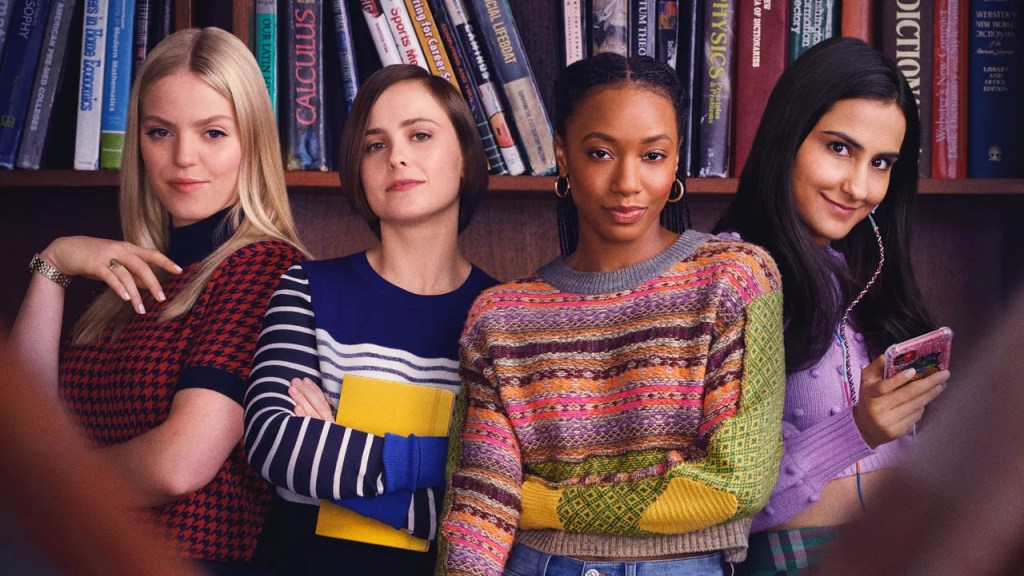
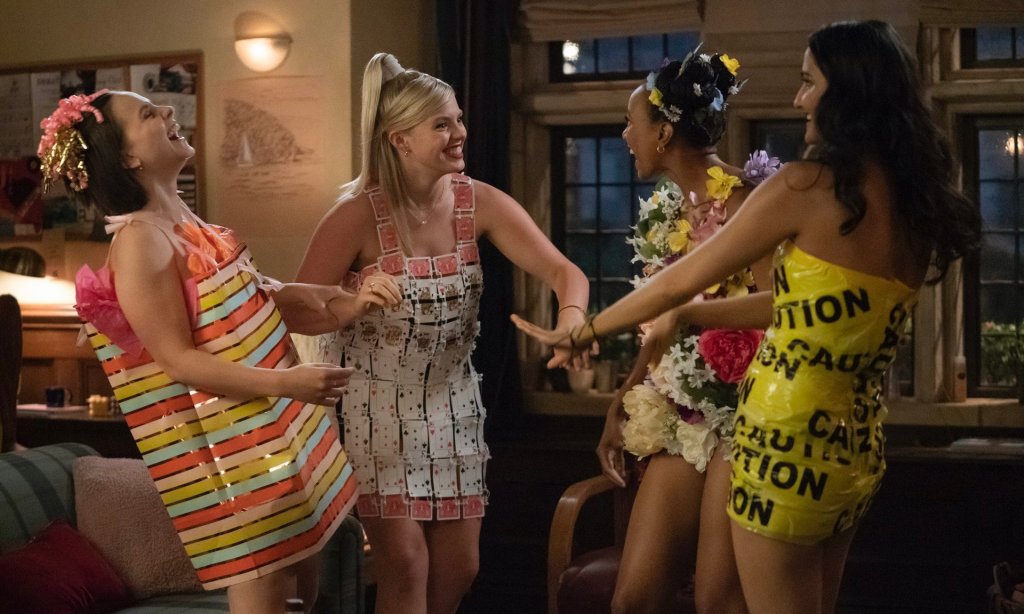
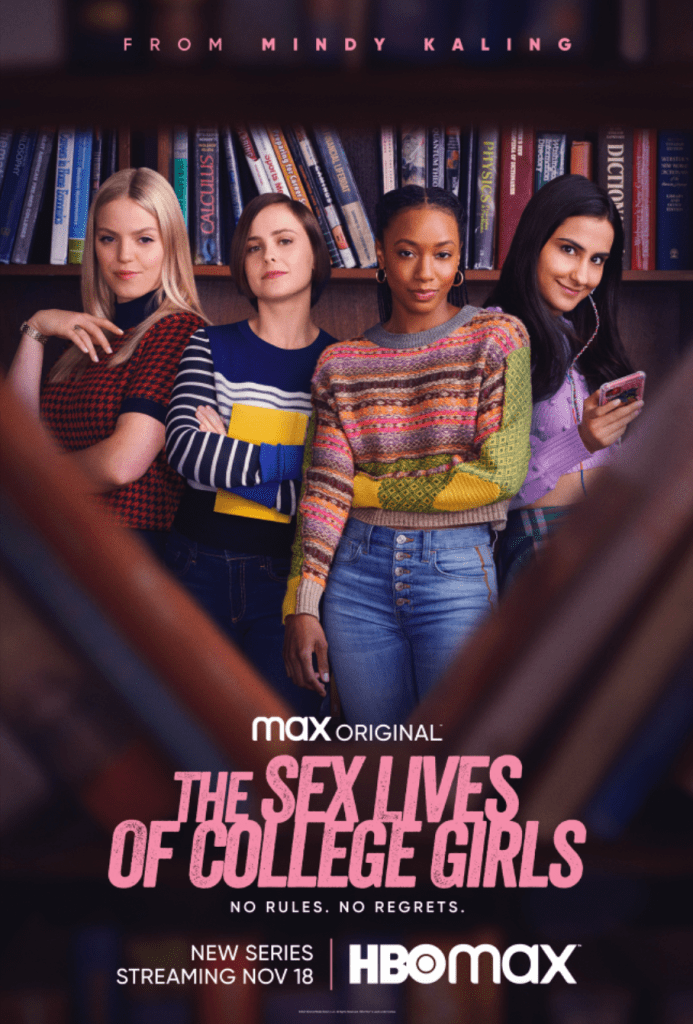
The Sex Lives of College Girls from Mindy Kaling
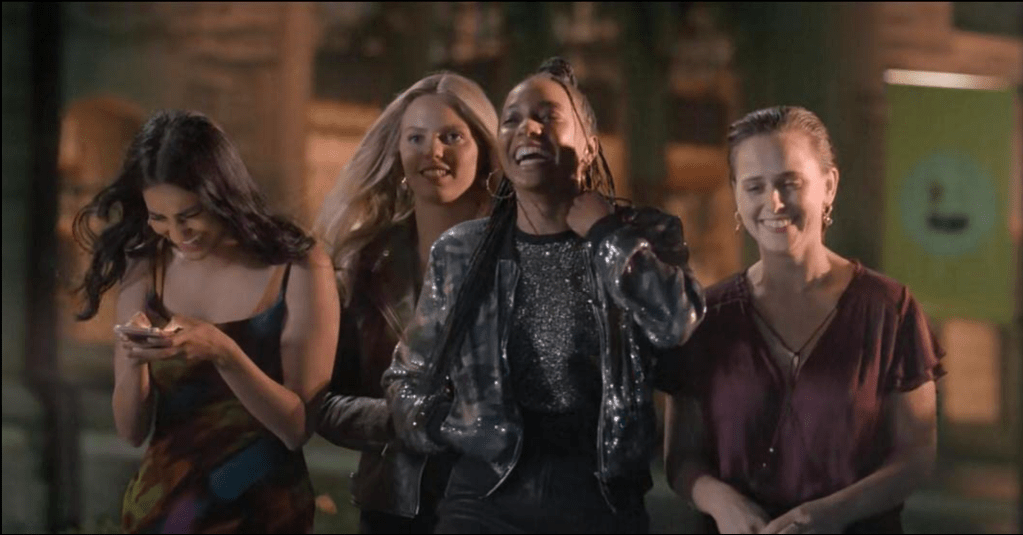
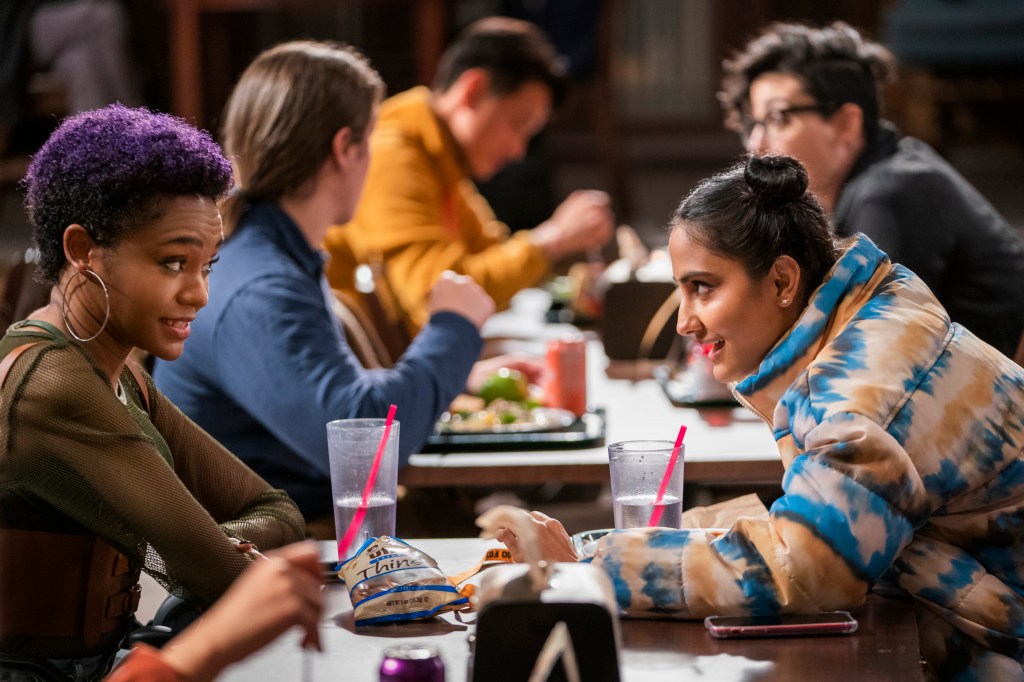
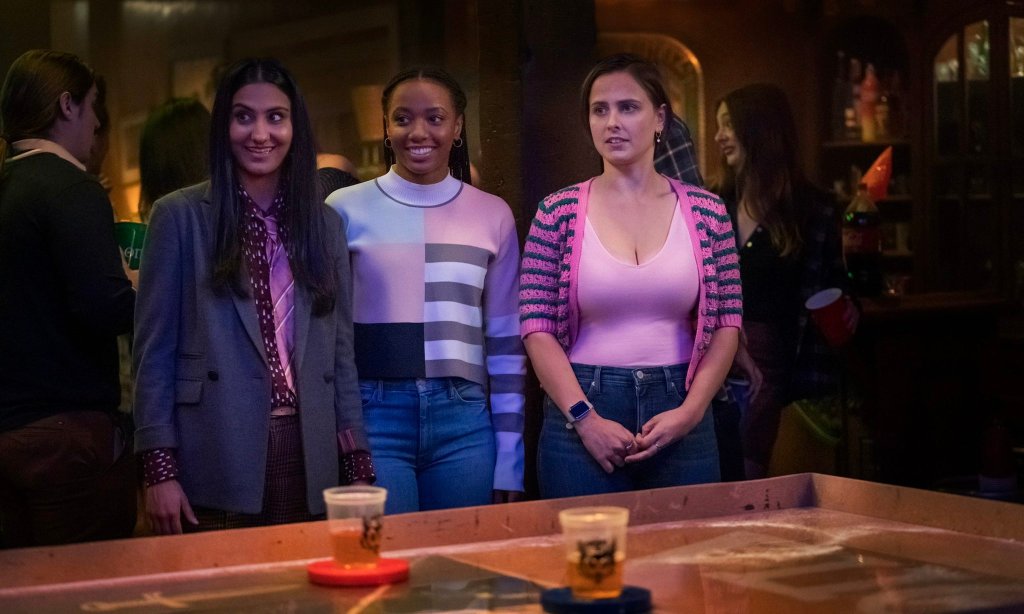
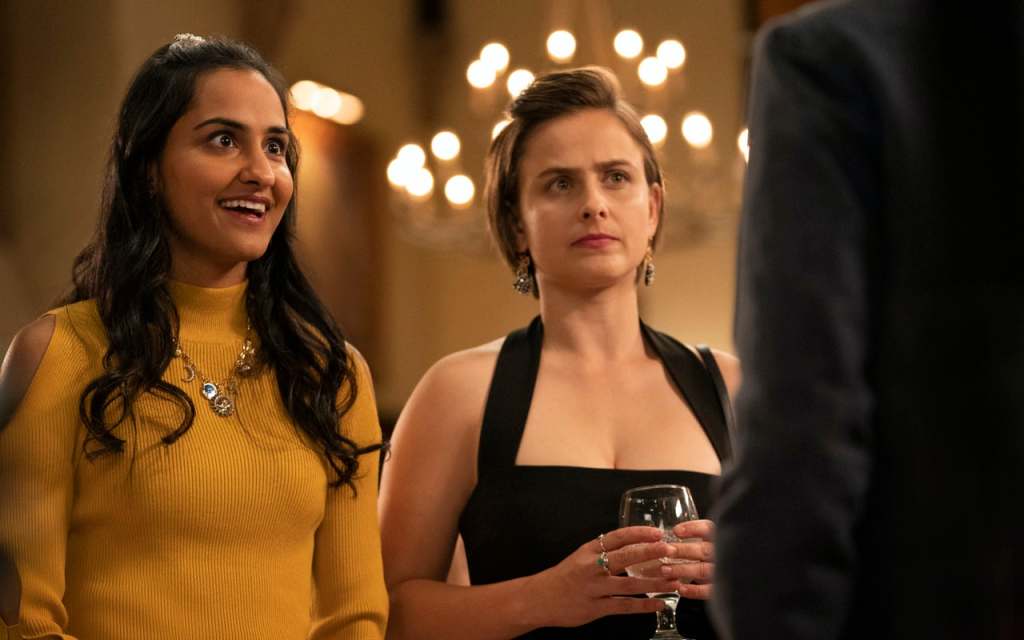
This HBOMax series is (I think) the best television series for the more sexually open college-aged student or at least one that finds the forward title comical and not repulsive. Mindy Kaling, best known for her role, Kelly Kapoor on The Office, is the creator and writer behind this never-before-explored genre of sexually active college girls that is also intersectionally diverse behind and in front of the camera. The Sex Lives of College Girls plotline includes hilariously unbelievable situations and addresses serious topics with humor and awareness.
The examples of privilege can be found in its storylines of being a person of color at a PWI, coming from a lower socio-economic background than friends, deciding if and how to live openly as a lesbian, dealing with unwanted sexual advances from peers in positions of power, and being a clueless 18-year-old college student. Each story reveals unprecedented details about each character’s personality and life and makes them more intriguing.
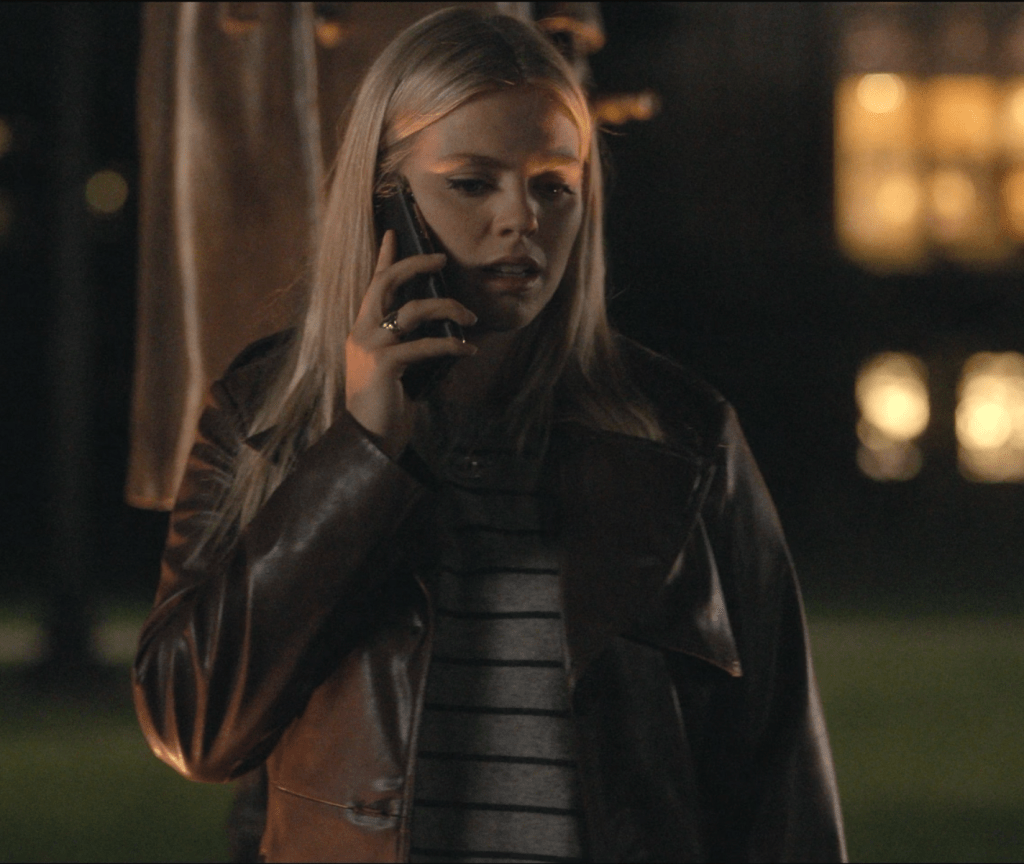
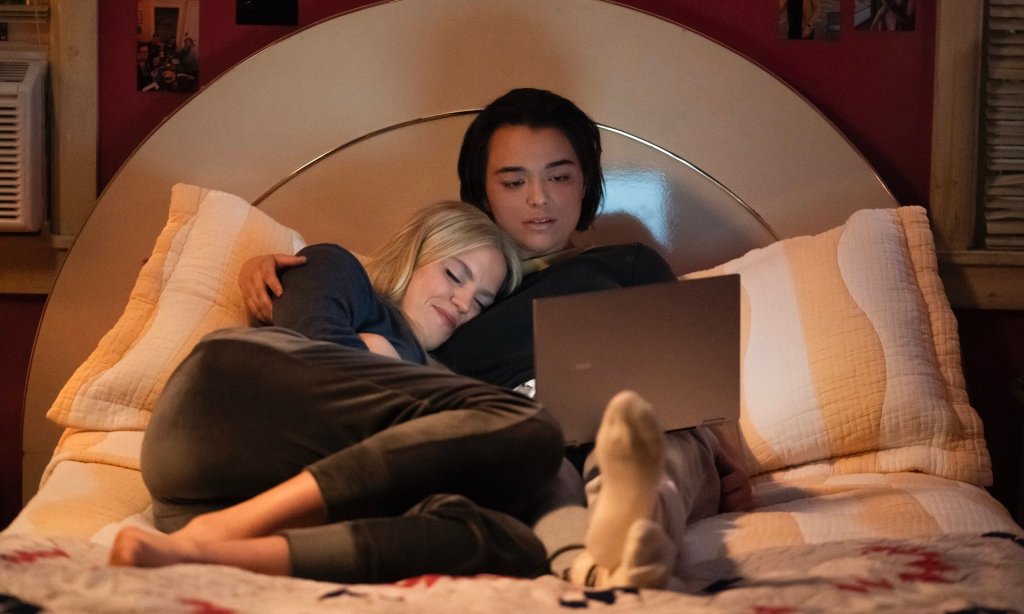
Rapp plays Leighton Murray, a white, financially well-off, passing-straight closeted lesbian, whose mom and dad are wealthy conservative alumni. Leighton’s “rich white straight sorority girl” stereotype is complicated by the fact that she is a lesbian but does not want to become, as she puts it, “the lesbian cousin… or the lesbian sorority sister.” In order to keep up appearances for sorority life, she goes on several, bland dates with white frat guys, before starting to date a more stereotypically out and proud lesbian. Before coming out, she has a night of angry drinking and throws a bottle at a university statue, prompting her arrest by campus police. In the University President’s office to plead her case, she makes insinuations about her parents making a donation before she is declined and given community service hours at the Women’s Community Center.
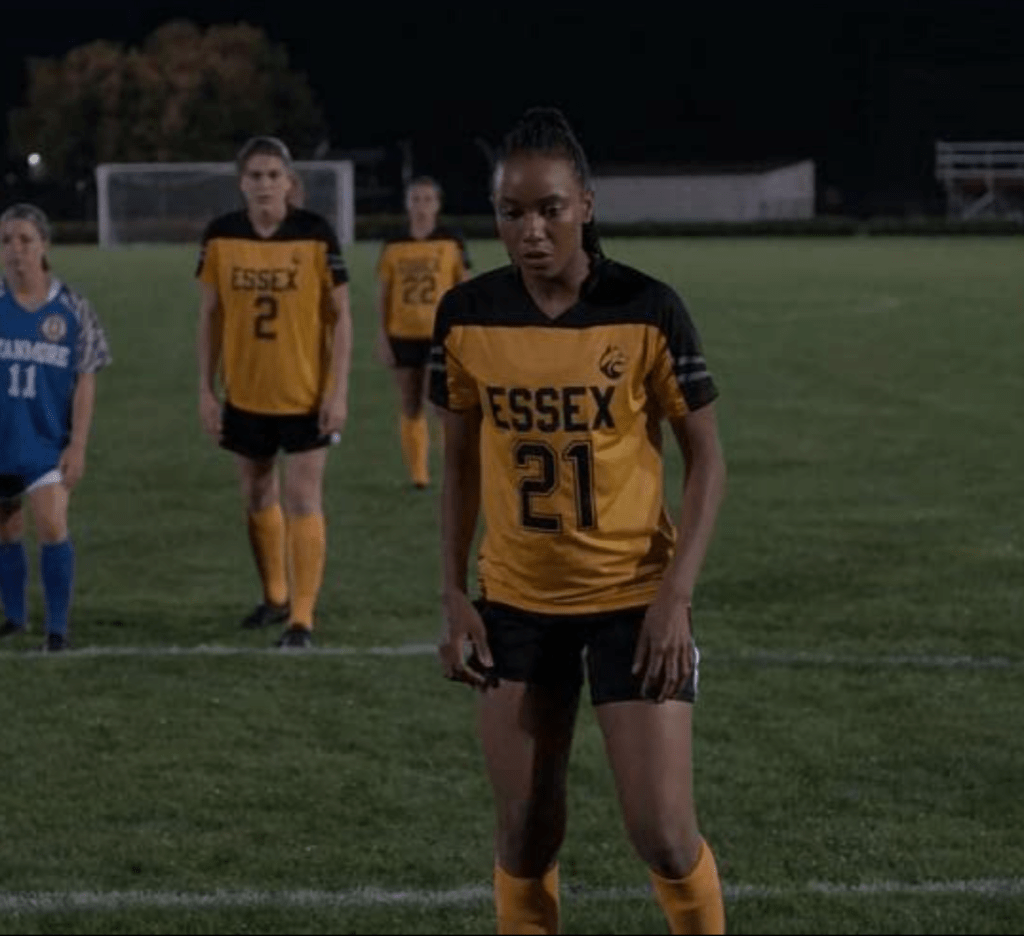
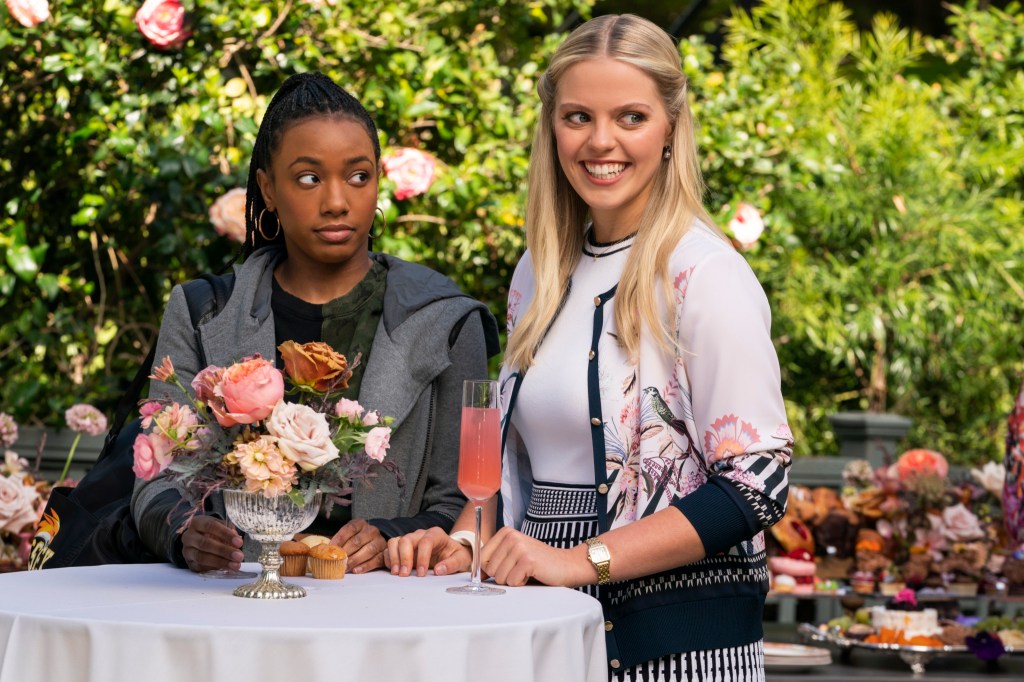
Next on our list is Alyah Chanelle Scott as Whitney Chase, the star freshman soccer player, daughter of a Senator, and the black main female character. Her mother’s power as a senator and her campus-celebrity status as a student-athlete give Whitney a lot of privilege which comes to her advantage. While the head soccer coach is tracking down which player is having an affair with the assistant coach, Whitney is able to keep her anonymity even though both coaches got fired in the end. The available episodes of the first season did not explore Whitney’s identity as a black woman in the main plot developments; Whitney addresses some microaggressions in her partner’s comments and her friendships with both white and black student groups.
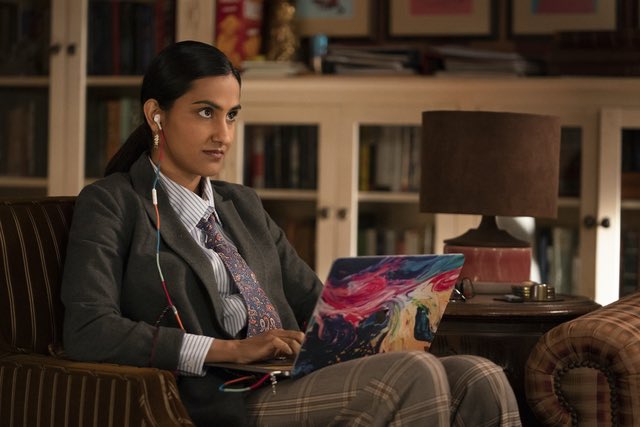
Privilege takes a different form in comedic and sexually forward Bela Malhotra played by Amrit Kaur. Her specific socioeconomic status is unclear as her storyline explores her life as an aspiring comedy writer, almost obsessively sexual, daughter to Indian immigrants who want her to be a doctor. In the beginning, Bela does not tell her parents she is on a track to becoming a sketch comedy writer and lies that she is attending those courses. After getting caught, Bela’s parents are angry she lied, but come around to support her and her endeavors to get on the university’s prestigious comedy newspaper staff. While undergoing recruitment, the editor of the newspaper, a senior student, puts Bela in several nonconsensual, uncomfortable, situations. The series approaches the topic with care and shows Bela going through stages of denial, minimization of the incidents, and eventually coming forward and receiving the necessary counseling.
The final main character of the four is Kimberley Finkle played by Pauline Chalamet, a white, midwestern girl who grew up in a homogenous town and is the only one of the four whose financial situation requires that she have a job at the on-campus cafe. Her two co-workers, Canaan and Lila put her through the wringer so to speak after she made a couple ignorant but harmless comments on her first day. They make jokes about having “drug-addict parents” and having a “crazy baby daddy” because they are a black man and a Hispanic woman, respectively, and Kimberley is a rather comedically unaware white girl. Kimberley’s struggles with money come up several times, including on parent’s weekend; Leighton’s parents have invited everyone’s family to an expensive restaurant and after a panicking about Kimberley’s mom being able to pay the bill, Leighton gives Kimberly her credit card to use. This plotline, along with other situations where Kimberley has realizations of the financial differences between her upbringing and her peers.


Optional Blog Entry: Objectification
Objectification theory is a construct developed by Fredrickson and Roberts in 1997 that posits that women are looked at in society as objects rather than human beings, and sexualized by their bodies and physical appearance rather than their abilities. It is “the experience of being treated as a body (or collection of body parts) valued predominantly for its use to (or consumption by) others.” (Fredrickson & Roberts, 1997) Furthermore, objectification leads to the internalization of the observer’s gaze and others’ perceptions of their bodies. This can lead to mental health issues as women focus on others’ perceptions of them rather than how they feel personally about their being.
Nowadays, social media has an additional negative influence and contribution to objectification theory. Rather than women and young girls learning self-objectification from advertisements and films, they are seeing posts from women and girls who look conventional attractive as defined by the male gaze.
“Objectification is the social process where the media construct images of women as objects. A corollary of objectification theory is self-objectification, which explains how someone who perceives these images begins to internalize them and project them upon their body.”
Sexual-objectification theory is a construct developed in 1997 by researchers to explain how women are socialized and “explained that women learn to evaluate themselves according to their perceived value as sexual objects of desire. Sexual-objectification theory also posits that there are mental health consequences to women as a result of the constant images to which they are exposed.”
Sharon Bramlett-Solomon and meta g. carstarphen, Race, Gender, Class and Media: Studying Mass Communication and multiculturalism. (Dubuque, ia: Kendall hunt publishing co.), 2017. (pp. 200)

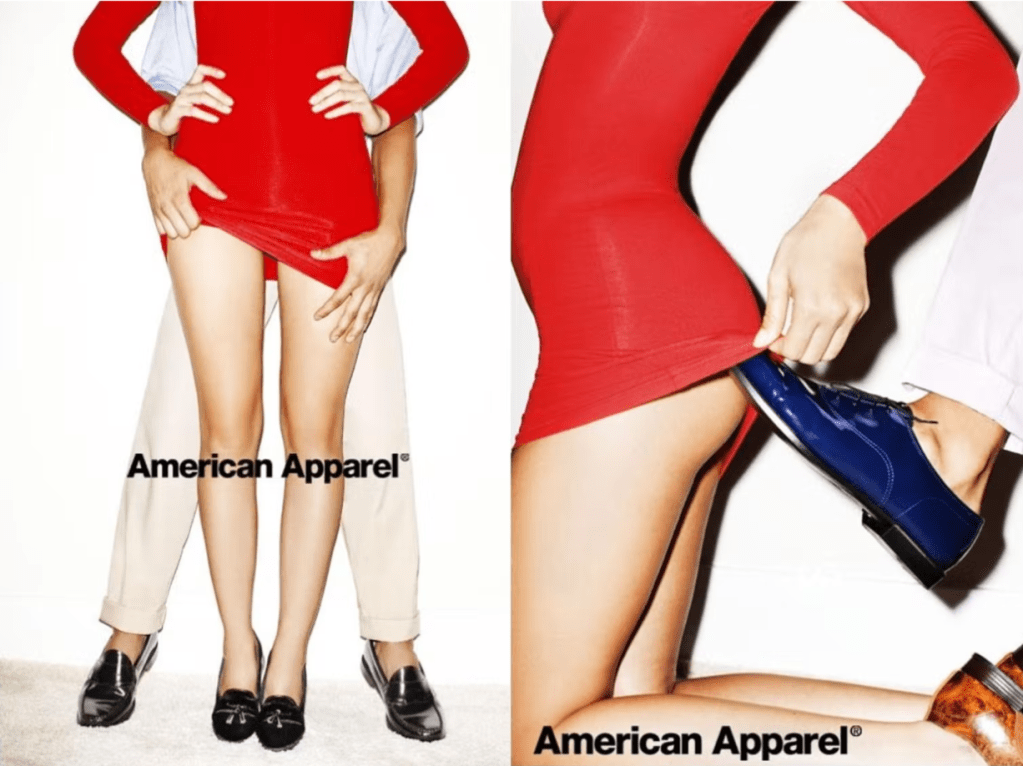
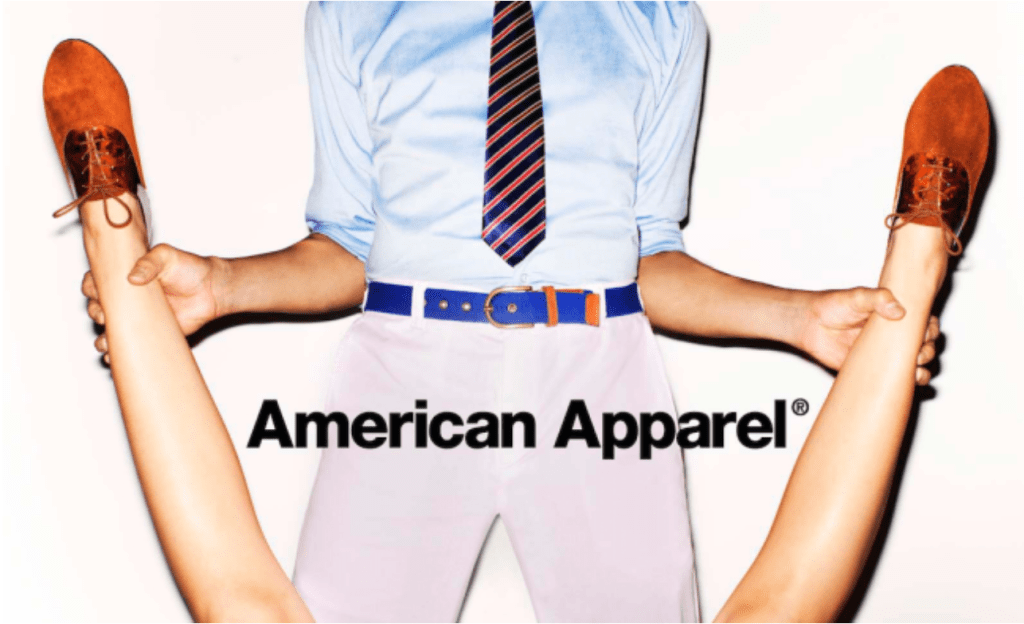
The following advertisements were collected from posts on objectification and the male gaze in advertisements on GirlTalkHQ and Bustle. Starting with an ad I have seen countless times is the “it’ll blow your mind away” Burger King ad. This advert explicitly sexually objectifies women: the model is facing an oblong-shaped burger with her mouth open, the double entendre with the word “blow,” and even how it is only the model’s face being shown. She is separated from her body and personhood and is rendered a sexual object. The fine print reads “Fill your desire for something long, juicy, and flame-grilled… Yearn for more after you taste the mind-blowing burger…” The text reads as not only aware of its objectification and sexualization of women, but that sexualization was the goal.
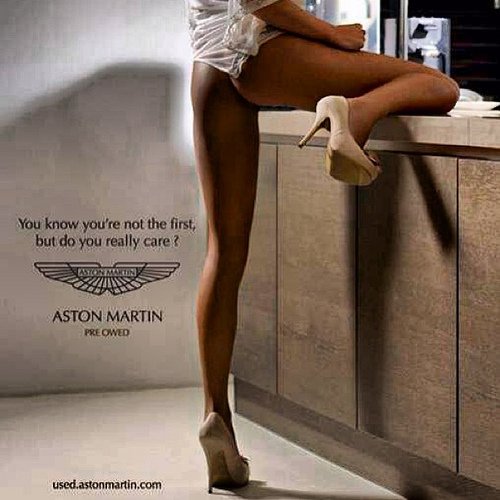
Next, is this Aston Martin ad, which by looking at the ad, you would not know this image is an advertisement for cars. With the tagline “You know you’re not the first, but do you really care?” the advert features a woman… well not entirely a woman; just her legs and exposed behind with every woman’s favorite comfort item, her four-inch pumps. The faceless model seems to be in the kitchen or on a countertop, with one leg effortless set on top. Not only is this woman highly sexualized with the image, but the tagline harkens back to familiar misogynistic narratives about a woman’s sexuality and virginity, and equates her to a previously owned used car. This patriarchal notion of a woman needing to keep her virginity to be respectable or worth marrying, or a car needing to be new to be worth owning, is highly apparent.
The next couple of ads are from American Apparel’s 2011 shoe campaign, but the images are more sexually suggestive than footwear focused. The #WomenNotObjects campaign tries to explain American Apparel’s idea: “If you wear its items, men won’t be able to keep their hands off of you. With everything from the suggestive positions to the flash of butt cheeks, we’re being sold sex in the bluntest of manners. And if you want to be sexy for the male gaze, this is apparently how you do it. By wearing moccasins.” Watch the campaign’s full video on the objectification of women in advertisements.
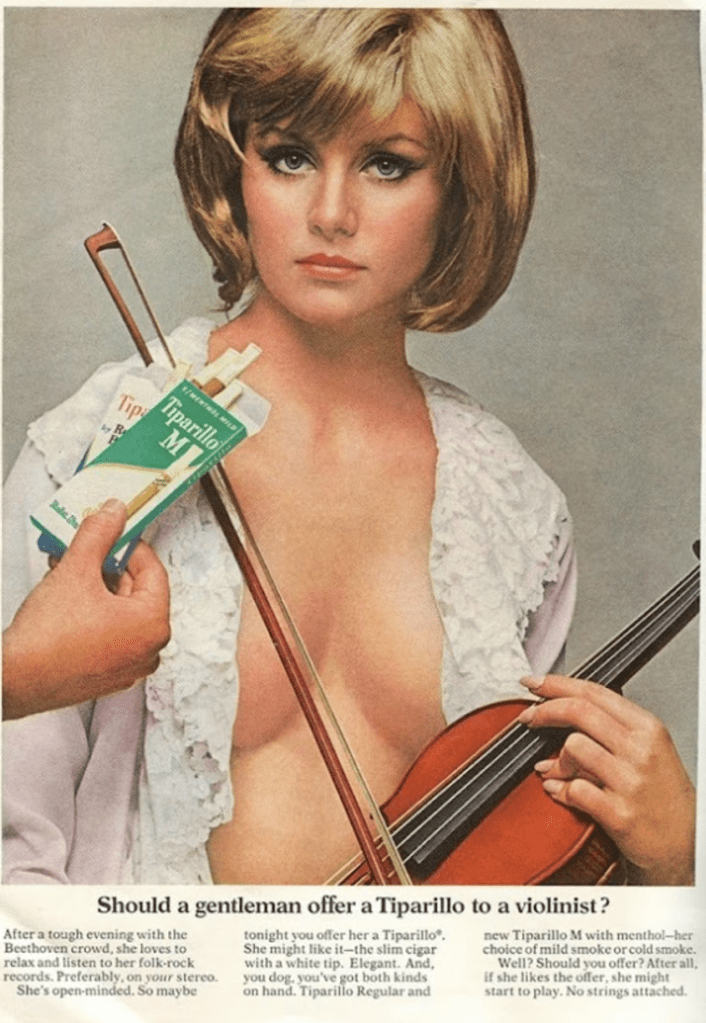
Lastly, to show how the sexual objectification of women is nothing new, this 1970s Tiparillo Cigarette ad pictures a female violinist with her shirt entirely undone. The copy is directly aimed at a male audience:
After a tough evening with the Beethoven crowd, she loves to relax and listen to her folk-rock records. Preferably on your stereo. She’s open-minded. So maybe tonight you offer her a Tiparillo? She might like it–the slim sigar with a white tip. Elegant. And, you dog, you’ve got both kinds on hand. Tiparillo Regular and new Tiparillo M with menthol–her choice of mild smoke or cold smoke. Well? Should you offer? After all, if she likes the offer, she might start to play. No strings attached.
1970s Tiparillo Cigarette ad
While the advertisements here are all glaringly obvious with the fact that their target audience is men, the advertisement itself dictates the ideals and expectations of women. Even if the target audience for the purchasing of the product is men, these advertisers reinforce notions of misogyny, objectification, and the male gaze.
 BRIT LAVERGNE